
Table of Contents
Understanding the Wet Kitchen Concept
Understanding the wet kitchen concept is essential for making informed purchasing and design decisions. This article clearly explains how wet kitchens differ from dry kitchens, covering layout, maintenance, and practical benefits to help users optimize their kitchen choices.
A wet kitchen plays a crucial role in many home designs, offering a dedicated space for heavy cooking and cleaning that keeps the rest of your home tidy. Understanding what sets a wet kitchen apart from a dry kitchen helps homeowners and designers choose the layout and features that best fit their needs.
This guide explains the functional distinctions and design considerations, helping you make informed decisions about your kitchen space. Let’s explore how wet kitchens can optimize your workflow and maintenance priorities.
Introduction to Wet and Dry Kitchens
Wet and dry kitchens serve different purposes within a home, catering to varied cooking styles and lifestyle needs. A wet kitchen is typically designed to handle intensive cooking tasks, such as washing, frying, and cleaning, which involve a lot of water usage and potential mess. In contrast, a dry kitchen often functions as a casual, open area for light meal preparation, entertaining guests, or even as a more aesthetic, showpiece kitchen.
The reason for separating wet and dry kitchens is practical: containing mess and odors, improving hygiene, and enhancing functional efficiency. Homes that separate these areas benefit from a cleaner and more organized environment where cooking and social interactions can coexist without interference.
Definition and Purpose of Wet and Dry Kitchens
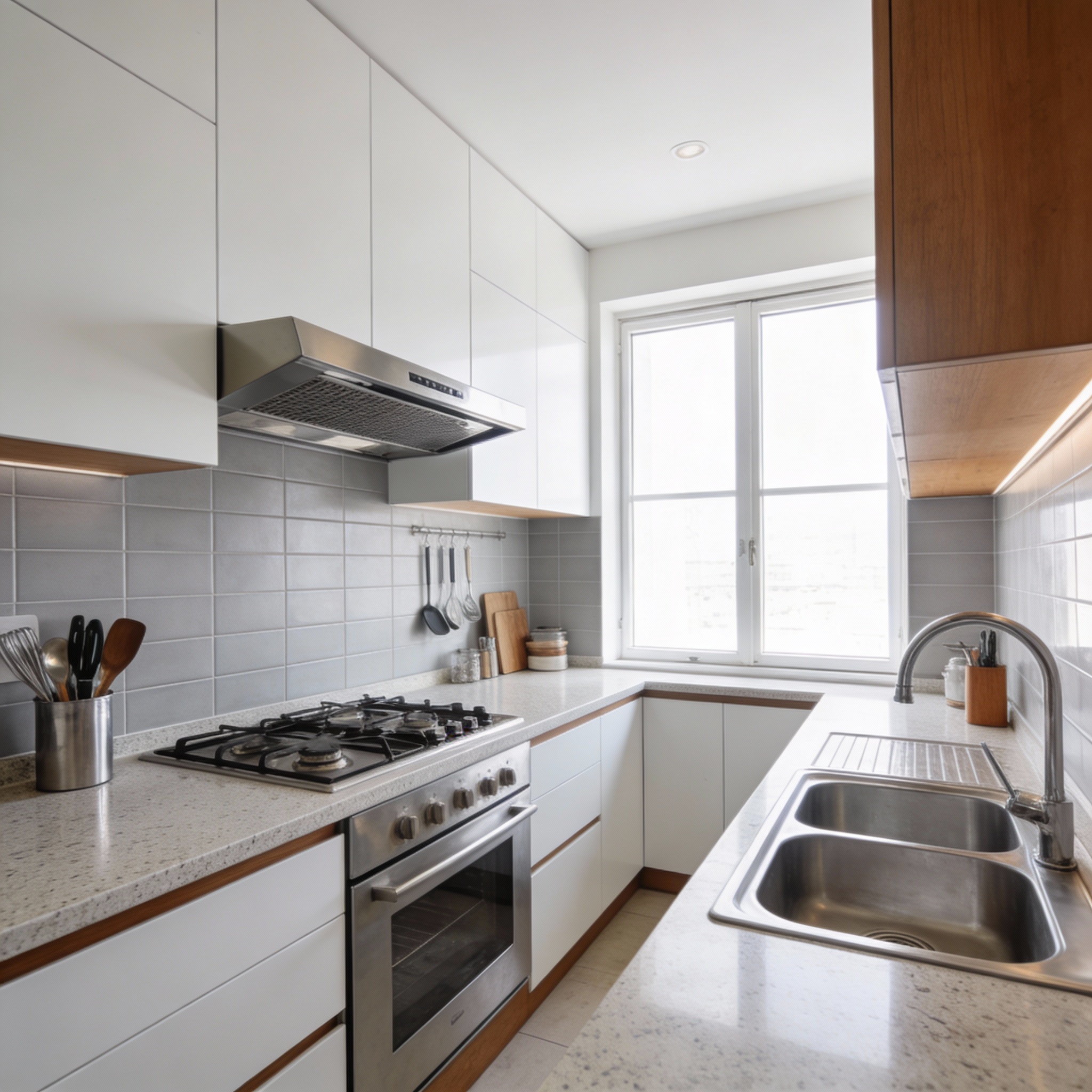
A wet kitchen is a specialized area designed to contain wet cooking activities. It usually includes heavy-duty appliances, a deep sink, water-resistant materials, and enhanced ventilation systems to handle smoke, steam, and splashes effectively.
By contrast, a dry kitchen is a more polished, often integrated space within the home’s main living or dining areas. It hosts lighter meal preparations—think chopping vegetables, brewing coffee, or arranging platters—without heavy grease or water-based cooking.
Key Differences Between Wet and Dry Kitchens
The main distinctions between wet kitchen vs dry kitchen come down to design and functionality. The wet kitchen design emphasizes durability and easy cleaning, using waterproof surfaces, non-porous countertops, and powerful exhaust fans. It’s a more enclosed, utilitarian space to contain odors and mess.
Dry kitchens, on the other hand, focus on aesthetics and user experience. Modern dry kitchen design leans toward open layouts with sleek cabinetry, high-end finishes, and stylish dry kitchen cabinets that complement living spaces.
Usage scenarios differ too: wet kitchens handle frying, washing, and cooking with heavy oils, while dry kitchens cater to meal finishing, casual cooking, or entertainment.
Design Features of Wet and Dry Kitchens
Materials in wet kitchens include waterproof tiles, sturdy stainless steel surfaces, and water-resistant wet kitchen cabinets designed to endure humidity and spills. Appliances here are robust—powerful cooktops, deep sinks, and commercial-grade ventilation.
Dry kitchens favor materials like quartz or marble countertops and elegant dry kitchen cabinets, often designed with minimalist aesthetics in mind. The layout is usually open and accessible, promoting social interaction and smooth meal preparation.
Benefits of Having a Wet and Dry Kitchen
Dividing the kitchen into wet and dry spaces significantly improves hygiene by localizing messes and odors to the wet kitchen. This separation simplifies cleaning routines and reduces the spread of grease.
Cooking efficiency also rises as each kitchen is optimized for specific tasks. A wet kitchen’s heavy-duty setup allows for faster, safer preparation of intensive cooking, while the dry kitchen supports quick preparation and presentation.
Space Planning for Wet and Dry Kitchen Configurations
For small wet kitchen design, compact layouts that maximize vertical storage and efficient work triangles help optimize the limited area. Multi-functional furniture and integrated appliances can make these spaces highly practical.
In larger homes, wet and dry kitchens are often distinct rooms or connected zones, allowing for seamless workflow and entertaining areas. Integrating dry kitchens with dining and living spaces is popular to create an inclusive atmosphere.
Popular Design Trends for Wet and Dry Kitchens
Modern trends embrace open-concept dry kitchen designs paired with discrete, well-ventilated wet kitchens that may even extend to outdoor areas. Outdoor wet kitchen designs have gained traction, providing additional cooking spaces that keep heat and smoke outside the home.
Culturally, many Asian homes prioritize distinct wet kitchens to accommodate high-heat cooking styles, while Western designs often blend the two.
Choosing Appliances for Wet and Dry Kitchens
Recommended appliances for a wet kitchen include powerful range hoods, gas stoves, and industrial sinks. Energy efficiency is critical here to handle continuous heavy use.
Dry kitchens benefit from compact, aesthetic appliances such as built-in coffee machines, microwaves, and wine coolers, contributing to a modern dry kitchen design.
Maintenance Tips for Wet and Dry Kitchens
Cleaning wet kitchen cabinets and surfaces regularly with non-abrasive cleaners prevents wear caused by moisture. Durable materials like ceramic tiles and stainless steel reduce upkeep efforts.
Dry kitchens require maintenance focused on preserving finishes and managing minor spills quickly to maintain their aesthetic appeal.
Cultural Variations in Wet and Dry Kitchen Designs
Regional differences reflect cooking habits and lifestyles. In many East Asian homes, the wet kitchen is a separate enclosed room to handle stir-frying and steaming. European designs often favor combined kitchens with clearly defined wet and dry zones.
These adaptations ensure the kitchen suits the household’s daily needs while respecting cultural cooking practices.
Cost Considerations and Budgeting for a Wet and Dry Kitchen
Costs vary based on size, materials, and appliances. Wet kitchens generally demand durable, water-resistant materials and powerful ventilation, increasing costs. Budget-friendly designs focus on essential features and use modular cabinetry.
Allocating budget appropriately between wet and dry kitchens ensures functionality without overspending.
Rowenda Kitchen
Rowenda Kitchen specializes in wet kitchen and dry kitchen design solutions tailored to your lifestyle and space. We offer comprehensive services, from initial design consultation to installation, ensuring your kitchens balance efficiency, durability, and style.
Our expertise in modern dry kitchen design and innovative wet kitchen cabinets helps clients achieve organized, functional kitchen spaces that cater to diverse cooking needs and aesthetic preferences.


