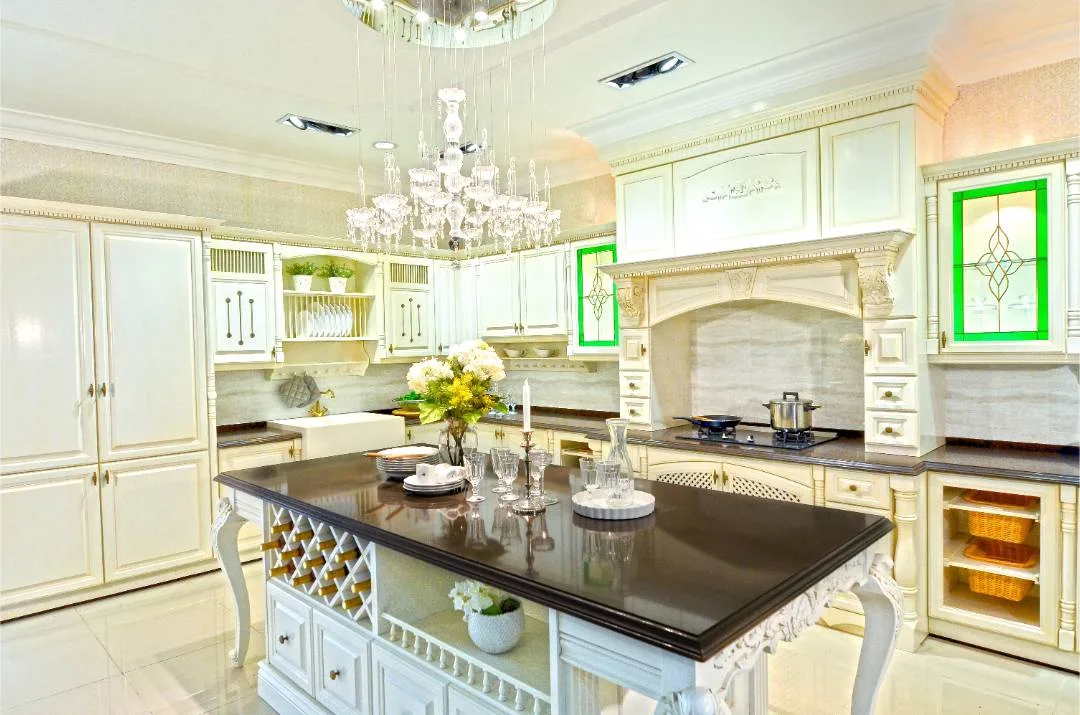
Classic custom kitchen cabinets designed and installed by Rowenda Kitchen.

Sub-pillar

Aluminium kitchen cabinets, where they work best

If moisture and daily heavy use are your top concerns, aluminium can be a strong candidate. The tradeoff usually happens on feel and finish preferences compared with timber-based looks.

Quick selection checklist

  • Prioritize humidity and cleaning resistance.
  • Confirm hardware quality and soft-close reliability.
  • Match finish samples under your home lighting, not only showroom lighting.
Discuss material fit for your home

What aluminium is and is not

Aluminium carcasses are not the same as aluminium doors

The most common confusion in aluminium kitchen cabinets is mixing up two very different products. An all-aluminium kitchen has both the carcass (the box structure) and the door made of aluminium extrusion and sheet. A hybrid kitchen has an aluminium carcass but melamine or HPL doors on top. The two are priced, finished, and used very differently. All-aluminium kitchens feel industrial and have a specific aesthetic that some homeowners love and others find too cold. Hybrid kitchens keep the moisture-resistance benefit at the wet zones (sink base, under-counter) and use timber-look doors for the rest of the kitchen.

For most Malaysian households, the hybrid approach is the better value. The all-aluminium upgrade only makes sense if the entire kitchen is in a wet zone (which is rare outside commercial or back-of-house applications), or if the homeowner has a strong aesthetic preference for the industrial look. The hybrid also keeps the project on the same installation timeline as a timber kitchen — all-aluminium kitchens can have longer lead times because the fabrication process is different.

Where aluminium earns its cost

The wet zones are where aluminium pays for itself

The strongest case for aluminium is below the sink and around the dishwasher — the wet zone, the area that takes the most water exposure in any kitchen. Timber-based carcasses in this zone are subject to swelling, delamination, and eventual hinge failure within 5-7 years. Aluminium carcasses in the same zone will outlast the kitchen itself. The cost premium for an aluminium carcass over melamine is roughly 30-50% per linear foot, but only in the wet zone. The rest of the kitchen can stay on the standard melamine carcass without sacrificing longevity.

Beyond the wet zone, aluminium is a matter of preference. Some homeowners choose it for the entire kitchen because they like the consistent finish, the precise tolerances, and the low maintenance. Others use it only where it earns its premium and use melamine for the storage-only zones. Both are defensible choices. What we do not recommend is choosing aluminium for the wrong reason — the assumption that the whole kitchen needs to be aluminium to be durable is incorrect. A melamine carcass with a quality edge seal, properly installed and away from standing water, will last 12-15 years in the dry zones without issue.

Cost expectations

What aluminium actually costs in 2026

As a planning reference, all-aluminium kitchens in 2026 land at roughly 1.6x to 2.0x the cost of a comparable melamine carcass kitchen, before considering door finish. Hybrid kitchens with aluminium only in the wet zone land at roughly 1.15x to 1.30x the cost of an all-melamine kitchen. The cost premium has narrowed since 2023 because Malaysian fabricators have invested in local aluminium fabrication capacity, but aluminium is still meaningfully more expensive than melamine for the same cabinet volume.

For a typical KL condo kitchen (L-shape, 10-12 linear feet), an all-aluminium kitchen lands in the RM 40,000-75,000 all-in range. The same kitchen in melamine is RM 25,000-45,000. The hybrid (aluminium wet zone, melamine rest) splits the difference at roughly RM 30,000-55,000. For a landed-home kitchen (L-shape with island, 14-18 linear feet), the costs scale up by 30-50%. These are planning numbers — the actual quote depends on layout, finish, and hardware choices, and you should always get a written quote from at least two contractors before committing.