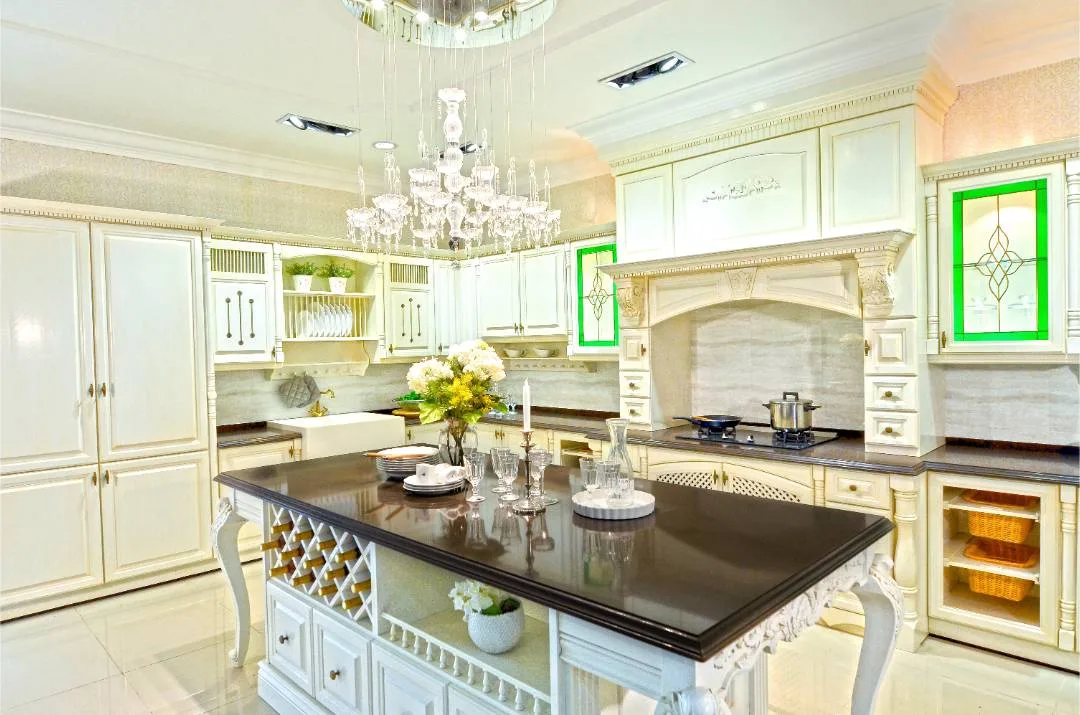
Classic custom kitchen cabinets designed and installed by Rowenda Kitchen.

Pillar service page

Kitchen cabinet planning that reduces renovation rework

This page is for homeowners who need practical tradeoffs, not generic inspiration. Start with usage load, humidity exposure, and storage sequence. Style decisions come after those fundamentals.

No commitment needed to start.

Free consultation. 3D layout plan included. You decide whether to proceed after seeing the design.

What clients usually get wrong

  • Choosing finish first, then trying to force workflow into that decision.
  • Comparing quotes without normalizing material class and accessory scope.
  • Underestimating corner and appliance-zone complexity in layout design.

What to prepare before consultation

  • Current kitchen photos from three angles.
  • Rough run length or floor plan dimensions.
  • Budget range and target completion month.
Send project brief

Material decision in one view

Wood / timber

Flexible styling and warm finish profile options across many interior themes.

Aluminium

Common choice for moisture resistance and low-maintenance use in heavy cooking zones.

Classic profile

Traditional styling language with modern hardware and internal storage options.

Verified facts

Established

Since 1984

Four decades of cabinet and built-in production in Kuala Lumpur.

In-house manufacturing

Rawang facility

Single team from design through installation. No outsourced cabinet production.

Service coverage

Klang Valley

KL and key Selangor city zones. TTDI showroom for in-person consultation.

Free with consultation

3D layout plan

See your kitchen or wardrobe in 3D before committing to a quote.

Customer reviews are not displayed on this page yet. See our reviews hub for the verified-entry structure and how to submit yours.

Kitchen cabinet FAQ

Common questions about kitchen cabinet costs, planning, and what to prepare before your consultation.

How much do kitchen cabinets cost in Malaysia?

Final cost depends on material class, run length, layout complexity, and accessory depth. Rowenda references wood kitchen cabinets from RM1,000 and aluminium options by linear-foot tiers.

How much do Rowenda kitchen cabinets start from?

Rowenda references kitchen cabinet projects from RM1,000 for entry-level wood cabinet scope, with final pricing based on layout and accessories.

Do I need exact measurements before starting kitchen design?

No. You can start with rough dimensions and current photos. Final measurement is completed during site visit before production planning.

What should I prepare before this call?

Current kitchen photos, rough run length, preferred material direction, and your target completion timeline.

Pillar guide · Materials

Choosing the right kitchen cabinet material for a Malaysian home

The right material depends less on aesthetics and more on the actual conditions the kitchen will face. For a household that cooks daily with heavy use of oil, steam, and water, the carcass and door finish need to handle moisture and heat cycles. For a household that cooks occasionally and uses the kitchen mostly for prep, the cost-per-year of premium material is harder to justify. The three material classes used in most Malaysian homes today are melamine-faced plywood, aluminium, and high-pressure laminate (HPL).

Melamine-faced plywood is the standard. It is the most common carcass material in KL and Selangor homes, with a typical lifespan of 12-18 years when installed with proper edge banding and away from direct water contact. The cost is the lowest of the three. Aluminium is the upgrade for humidity, heat, and heavy cooking households. The carcass is non-porous, will not swell when wet, and is termite-resistant. The lifespan is 20+ years. HPL-fronted cabinets are the premium option for households that want a specific finish or profile (matte, wood-grain, textured) without the cost of full solid wood. The full breakdown with cost ranges, lifespan, and best-fit scenarios is on the aluminium kitchen cabinets page.

Pillar guide · Layout

How to plan a kitchen cabinet layout that works for daily use

The kitchen layout is the single biggest driver of long-term satisfaction. The three rules that produce layouts homeowners stay happy with: zone your work triangle (prep, wash, cook) within 6 metres total; place daily-use items at hand reach (1.2-1.6 metres off the floor); and place occasional-use items at the edges of reach. A layout that ignores these usually ends up with daily friction that no hardware upgrade can fix.

The five common Malaysian kitchen layouts are: L-shape (most common in terrace houses, gives two adjoining work walls); U-shape (most efficient use of floor area, common in condos); galley or one-wall (best for narrow rooms and small condos); island (only works with at least 12 feet of width, premium-tier project); peninsula (similar to island but connects to another room, fits medium-large kitchens). The right choice depends on your room width, window placement, and how many people cook at the same time. The full layout guide with floor-plan patterns is on the kitchen design service page.

Pillar guide · Pricing

What kitchen cabinets actually cost in Malaysia in 2026

A custom kitchen cabinet project in Malaysia is typically quoted per linear foot (the run length of your base and wall cabinets combined) and the rate depends on three things: material class, finish tier, and accessory depth. The rough bands for an entry to mid-tier project in KL and Selangor: melamine-faced plywood, mid-tier hardware, basic accessory pack — RM 1,000-1,500 per linear foot. Aluminium carcass, premium hardware, mid-tier accessory — RM 1,800-2,500 per linear foot. HPL-fronted or solid-wood premium, top-tier hardware, full accessory integration — RM 2,500-3,500 per linear foot.

For a typical 10-foot kitchen (a common Malaysian home size), the entry-to-mid project is RM 10,000-15,000 before countertop, splashback, electrical rerouting, plumbing, and installation. The full project with all those line items is typically RM 18,000-30,000. The detailed cost breakdown by project type, with a worked example, is on the kitchen cabinet pricing page.

Pillar guide · Choosing a supplier

How to compare kitchen cabinet suppliers in Malaysia

The Malaysian kitchen cabinet market has four supplier archetypes. The first is the showroom retailer who outsources fabrication. They have a polished sales process, a beautiful showroom, and they pass the project to a third-party factory. Margins tend to be higher, and accountability is split. The second is the design-build firm with in-house production. They handle everything from the first consultation through fabrication to installation. Accountability is clear, and pricing tends to be more transparent. The third is the pure factory-direct fabricator with no showroom. Pricing is usually the lowest but you are buying from a factory with no design service and no installation team. The fourth is the interior designer who hires a fabricator as subcontractor. Quality depends entirely on the fabricator they hire.

For a kitchen-only project, the design-build firm with in-house production is usually the smoothest. For a kitchen as part of a larger renovation, the ID firm with a strong cabinet subcontractor works well. The pure factory-direct option suits homeowners with a clear plan and an installer they trust. The showroom retailer is fine for homeowners who value the showroom experience and are willing to pay for it. The full comparison with what to ask each archetype is on the suppliers and manufacturers page.

Pillar guide · Process

The kitchen cabinet project process from consultation to handover

A typical custom kitchen cabinet project takes 6-10 weeks from contract signing to handover, depending on the factory queue and the project scope. The process has six stages: free consultation (20-30 minutes, no obligation) where we discuss your space, usage, and budget; site visit and measurement (2-3 hours) where the actual dimensions and structural constraints are confirmed; design proposal with 3D planning (1-2 weeks) where you see the layout, material, and finish in a visual format; design sign-off and contract (you approve the design and sign the contract); production (3-5 weeks) where the factory fabricates your cabinets; installation and handover (1-3 days) where we install on site and walk through the final result.

The two stages that most affect timeline are the design sign-off (homeowners who delay approval by 2-3 weeks push the production start by the same amount) and the production queue (factories are typically busier in Q1 and Q3 after Chinese New Year and the post-summer renovation peak). Homeowners who want a project completed by a specific date should book the consultation 8-10 weeks ahead of that date. The full project walkthrough with what to expect at each stage is on the kitchen design service page.

Pillar guide · Common pitfalls

Six common mistakes Malaysian homeowners make with kitchen cabinet projects

The first mistake is choosing finish first. Most homeowners who walk into a kitchen cabinet showroom pick a door finish in the first 15 minutes, then spend the next 3 months trying to force a layout that doesn't really suit their usage into that finish decision. The right order is: usage load, material class, layout, then finish. The second mistake is comparing quotes without normalizing scope. Two quotes for the same kitchen can vary by 30-50% and both be honest, because they include different things (one includes demolition, the other doesn't; one includes electrical, the other assumes existing wiring). Always ask for explicit inclusions before comparing.

The third mistake is underestimating corner and appliance-zone complexity. A simple 10-foot L-shape has more complexity than it looks, because the corner zone and the appliance integration zone both need careful design to work daily. The fourth mistake is skipping the budget conversation. Homeowners who skip the budget call and go straight to a detailed design often end up with a design they cannot afford to build. The fifth mistake is paying too much deposit. The standard payment schedule is 20-30% on contract, 30-40% at production milestone, balance on installation. Anything heavier is a risk signal. The sixth mistake is choosing on price alone. The cheapest quote often becomes the most expensive project when scope is unclear or quality is lower than expected.